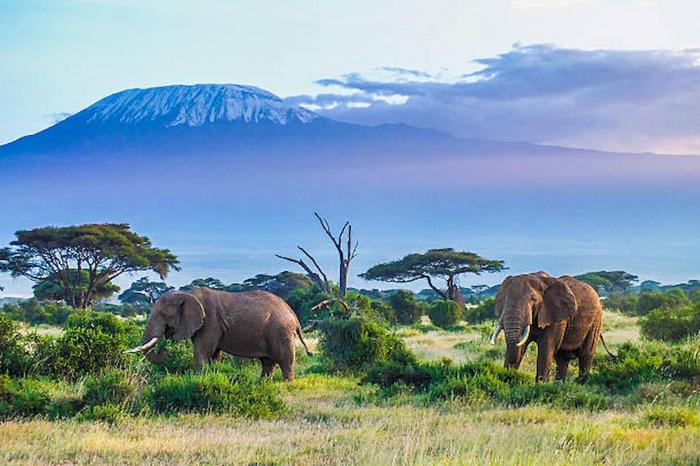
Popular travel destinations for wildlife enthusiasts
Popular travel destinations for wildlife enthusiasts – When it comes to exploring wildlife, there are some destinations around the world that stand out for their unique species and breathtaking experiences. Here are the top 5 wildlife destinations globally:
1. Galapagos Islands, Ecuador
The Galapagos Islands are famous for their diverse range of wildlife, including giant tortoises, marine iguanas, blue-footed boobies, and more. The best time to visit is during the dry season from June to December for optimal wildlife sightings.
2. Serengeti National Park, Tanzania
Serengeti National Park is home to the Big Fivelions, elephants, buffaloes, leopards, and rhinos. Witness the great wildebeest migration from November to August for a truly unforgettable experience.
3. Kruger National Park, South Africa
Kruger National Park is one of the largest game reserves in Africa, known for its diverse wildlife population. Spot lions, elephants, rhinos, leopards, and buffaloes throughout the year, but the best time for wildlife sightings is during the dry winter months from May to September.
4. Ranthambore National Park, India, Popular travel destinations for wildlife enthusiasts
Ranthambore National Park is famous for its population of Bengal tigers, making it a prime destination for tiger enthusiasts. Visit between October and April for the best chances of spotting these majestic creatures in their natural habitat.
5. Borneo, Malaysia
Borneo is a paradise for wildlife enthusiasts, with unique species like orangutans, pygmy elephants, and proboscis monkeys. The best time to visit is during the dry season from March to October for optimal wildlife sightings in the rainforests.
Travel Destinations
Africa and South America are both known for their incredible wildlife destinations, each offering a unique experience for wildlife enthusiasts. Let’s compare and contrast a popular wildlife destination in Africa with one in South America.
African Safari vs. Amazon Rainforest
When it comes to wildlife destinations, an African safari and a visit to the Amazon Rainforest are two bucket list experiences for nature lovers. Here are some key differences between the two:
- African Safari:
- Offers the chance to see the “Big Five” – lion, leopard, elephant, rhinoceros, and buffalo.
- Diverse landscapes ranging from savannahs to deserts to mountains.
- Popular safari destinations include Serengeti National Park in Tanzania and Kruger National Park in South Africa.
- Amazon Rainforest:
- Home to a plethora of exotic species such as jaguars, sloths, macaws, and pink river dolphins.
- The world’s largest tropical rainforest with unparalleled biodiversity.
- Popular spots to explore include the Amazon River, Manu National Park in Peru, and Yasuni National Park in Ecuador.
Tips for Travelers Visiting Wildlife Reserves or National Parks
Exploring wildlife reserves and national parks requires a certain level of preparation and responsibility. Here are some tips to keep in mind:
- Respect the wildlife and their habitat by maintaining a safe distance and observing quietly.
- Follow park rules and guidelines to ensure the conservation of the environment and the safety of both animals and visitors.
- Support local conservation efforts by choosing eco-friendly accommodations and tour operators.
- Be mindful of your impact on the environment by reducing waste and avoiding single-use plastics.
- Educate yourself about the wildlife and ecosystems you will encounter to enhance your appreciation and understanding of the experience.
The Importance of Responsible Tourism in Wildlife Destinations
Responsible tourism plays a crucial role in preserving the natural habitats and wildlife populations in popular destinations. By following sustainable practices and supporting conservation efforts, travelers can contribute to the long-term protection of these ecosystems. It is essential to prioritize ethical wildlife encounters, promote environmental awareness, and minimize negative impacts on the environment.
Through responsible tourism, we can ensure that future generations will have the opportunity to witness the beauty and diversity of wildlife around the world.
Flight Deals
Finding affordable flights to wildlife destinations can be a game-changer for enthusiasts looking to explore different ecosystems and wildlife species. By considering various strategies and options, travelers can save money and make the most of their wildlife adventures.
Direct Flights vs Layovers
When planning a trip to popular wildlife locations, it’s essential to weigh the pros and cons of booking direct flights versus flights with layovers. While direct flights may be more convenient and time-saving, they can sometimes be more expensive. On the other hand, flights with layovers can be more budget-friendly but may result in longer travel times and potential delays.
Wildlife enthusiasts should consider their priorities and budget constraints when choosing between direct flights and layovers.
Seasonal Flight Deals and Promotions
Throughout the year, airlines offer seasonal flight deals and promotions that can significantly reduce travel costs for wildlife enthusiasts. By keeping an eye out for these special offers, travelers can take advantage of discounted fares and save money on their flights to wildlife destinations.
It’s advisable to sign up for airline newsletters, follow social media accounts, and regularly check online travel platforms to stay informed about the latest flight deals and promotions.
Vacation Packages
When booking a wildlife-focused vacation, choosing the right package is crucial to ensure a memorable experience. Vacation packages typically include accommodations, meals, transportation, guided tours, and sometimes even additional activities or excursions. These packages are designed to provide a hassle-free and immersive wildlife experience for travelers.
Key Components of a Wildlife-Focused Vacation Package
- Accommodations: Stay in eco-friendly lodges or campsites located close to wildlife reserves or national parks.
- Guided Tours: Experienced guides lead wildlife safaris, birdwatching expeditions, and nature walks to spot and learn about local flora and fauna.
- Transportation: Arrange for transfers between airports, accommodations, and wildlife viewing areas to ensure a seamless travel experience.
- Meals: Enjoy delicious meals made from fresh, local ingredients that cater to dietary preferences and provide a taste of the destination’s culinary culture.
- Additional Activities: Some packages may include cultural visits, photography workshops, or conservation experiences to enhance the overall trip.
Benefits of Booking an All-Inclusive Wildlife Vacation
- Convenience: All-inclusive packages take care of all travel arrangements, allowing you to relax and focus on enjoying the wildlife experience.
- Cost-Effective: Bundling accommodations, meals, transportation, and activities into one package can often result in cost savings compared to booking each component individually.
- Expert Guidance: Benefit from the knowledge and expertise of local guides who can enhance your wildlife sightings and provide valuable insights into the ecosystem.
- Sustainability: Many all-inclusive packages support conservation efforts and sustainable tourism practices, contributing to the protection of wildlife and habitats.
Recommendations for Reputable Travel Companies Offering Wildlife Packages
- Wilderness Safaris: Known for their luxury safari experiences across Africa, Wilderness Safaris focuses on conservation and community empowerment.
- National Geographic Expeditions: Partnered with experts and researchers, National Geographic Expeditions offers educational and immersive wildlife journeys worldwide.
- Intrepid Travel: With a focus on responsible travel, Intrepid offers small-group adventures to unique wildlife destinations with local guides.
- G Adventures: Providing a mix of wildlife encounters and cultural experiences, G Adventures emphasizes sustainable tourism practices in their tours.
Hotel Reservations
When planning a wildlife-focused trip, choosing the right accommodation is crucial for a memorable experience. Wildlife enthusiasts should opt for hotels that prioritize sustainability and eco-friendliness to minimize their impact on the environment.
Tips for Choosing Wildlife-Friendly Accommodations
- Look for accommodations that are certified by reputable eco-friendly organizations, such as Green Key or EarthCheck.
- Check if the hotel has implemented practices to reduce waste, conserve water, and support local wildlife conservation initiatives.
- Choose hotels that offer guided wildlife tours or excursions to explore the surrounding nature responsibly.
- Consider staying in lodges or resorts located within or near wildlife reserves to maximize your wildlife sightings.
Importance of Staying in Eco-Friendly Lodges Near Wildlife Reserves
- Staying in eco-friendly lodges near wildlife reserves helps support conservation efforts and sustainable tourism practices.
- These accommodations often have a lower impact on the environment and provide opportunities for guests to learn about the local flora and fauna.
- By staying close to wildlife reserves, visitors can experience early morning and late afternoon wildlife sightings without long travel times.
Experiences of Staying in Unique Wildlife-Themed Hotels
- Some hotels offer unique wildlife-themed accommodations, such as treehouses, safari tents, or wildlife-inspired decor.
- Guests can immerse themselves in the natural surroundings and wildlife habitats while enjoying modern comforts and amenities.
- Staying in wildlife-themed hotels can enhance the overall experience of a wildlife-focused trip and create lasting memories.
Adventure Travel
Adventure travel for wildlife enthusiasts offers a thrilling combination of adrenaline-pumping activities and close encounters with nature. Whether it’s embarking on a safari tour, tracking wildlife through dense forests, or exploring remote habitats, there are plenty of exciting opportunities for adventure seekers.
Safari Tours
- Experience the excitement of spotting majestic wildlife such as lions, elephants, and giraffes in their natural habitat.
- Join guided tours led by experienced rangers who provide valuable insights into the behavior and conservation of local wildlife.
- Stay in luxury tented camps or lodges overlooking watering holes, where you can witness wildlife up close from the comfort of your accommodation.
Wildlife Tracking Experiences
- Immerse yourself in the wilderness as you track elusive animals like leopards, rhinos, and cheetahs on foot or in 4×4 vehicles.
- Learn about animal tracks, calls, and signs to enhance your wildlife tracking skills and increase your chances of encountering rare species.
- Engage in night safaris to observe nocturnal creatures and witness the thrill of the African bush after dark.
Safety Tips for Adventurous Wildlife Expeditions
- Always follow the instructions of your guides and rangers to ensure your safety and the well-being of the wildlife.
- Avoid approaching or feeding wild animals, as they may perceive you as a threat and react unpredictably.
- Pack essential gear such as insect repellent, sunscreen, and sturdy footwear to stay comfortable during your adventures.
- Respect the environment by minimizing your impact, disposing of waste responsibly, and supporting sustainable tourism practices.
Travel Insurance
When embarking on wildlife expeditions, it is crucial to consider the importance of travel insurance. While exploring remote areas and encountering wildlife, unexpected situations can arise, such as medical emergencies, trip cancellations, or lost luggage. Having travel insurance provides a safety net and peace of mind for wildlife enthusiasts.
Types of Travel Insurance Plans
- Medical Coverage: This plan includes coverage for medical emergencies, evacuation, and repatriation.
- Trip Cancellation/Interruption: Protects your investment in case you need to cancel or cut your trip short due to unforeseen circumstances.
- Lost or Delayed Baggage: Covers the cost of replacing essential items if your luggage is lost or delayed during your wildlife expedition.
Travelers’ Experiences with Travel Insurance
“During my wildlife safari in Africa, I fell ill and required medical attention. Thanks to my travel insurance, I was able to receive treatment without worrying about the financial burden.”
“When my flight was canceled due to bad weather during a wildlife expedition in the Galapagos Islands, my travel insurance reimbursed me for the additional expenses incurred for accommodation and meals.”
Tourist Attractions
When exploring popular travel destinations for wildlife enthusiasts, it’s important to also consider the lesser-known wildlife attractions that are worth exploring. These hidden gems often provide unique opportunities to witness diverse wildlife in their natural habitats.
Impact of Tourism on Wildlife Conservation Efforts
One key aspect to consider when visiting tourist attractions known for their wildlife is the impact of tourism on wildlife conservation efforts. While tourism can raise awareness and funds for conservation projects, it can also lead to habitat destruction and disruption of natural behaviors.
It is crucial for visitors to be mindful of their impact and support responsible tourism practices to help protect the wildlife.
Memorable Encounters with Wildlife
Many wildlife enthusiasts have shared stories of memorable encounters with wildlife at popular tourist attractions. Whether it’s witnessing a pride of lions on a safari in Africa or swimming with whale sharks in the Galapagos Islands, these experiences often leave a lasting impression and inspire a deeper appreciation for the natural world.
Road Trips
Road trips are a fantastic way to explore multiple wildlife destinations in a region, allowing you to immerse yourself in nature and observe various species in their natural habitats. Whether you are a seasoned wildlife enthusiast or just starting out, planning a wildlife-focused road trip can be an exciting adventure.
Here are some tips and scenic routes to consider for your next wildlife road trip.
Designing a Road Trip Itinerary
When planning a wildlife road trip, research the various wildlife destinations in the region and create a detailed itinerary that includes the best times to visit each location. Consider the distance between each destination, as well as the driving time required, to ensure you have enough time to explore each spot thoroughly.
Be flexible in your itinerary to allow for unexpected wildlife sightings and unique experiences along the way.
Tips for Planning a Wildlife-Focused Road Trip
- Research the wildlife species you are most interested in observing and choose destinations known for high concentrations of these animals.
- Pack essential items such as binoculars, a camera with a telephoto lens, field guides, and appropriate clothing for varying weather conditions.
- Check the road conditions and weather forecast before setting out on your road trip to ensure a safe and smooth journey.
- Make sure your vehicle is in good condition, with regular maintenance checks, a full tank of gas, and emergency supplies such as a first aid kit and spare tire.
- Book accommodations in advance, especially if you are visiting popular wildlife destinations during peak seasons, to secure your stay and avoid last-minute hassles.
Scenic Routes and Stops
- Consider scenic routes that pass through national parks, wildlife reserves, and conservation areas for the best opportunities to spot diverse wildlife.
- Plan stops at lookout points, hiking trails, and wildlife viewing areas along the way to break up the drive and enhance your wildlife experience.
- Research local guided tours or wildlife excursions available in each destination to gain insights from knowledgeable guides and increase your chances of wildlife sightings.
- Take time to appreciate the natural beauty surrounding you, from majestic mountains to lush forests, and capture memorable moments with your camera to cherish long after your road trip ends.
Travel Guides
When it comes to exploring wildlife destinations, having a reliable travel guide can make all the difference in ensuring a memorable and fulfilling experience. Whether you are a beginner or a seasoned wildlife enthusiast, a good travel guide can provide valuable insights, tips, and information to enhance your journey.Online travel guides have become increasingly popular in recent years, offering up-to-date information, interactive maps, user reviews, and real-time updates on wildlife sightings.
They are easily accessible through websites and mobile apps, making it convenient for travelers to plan their adventures on the go. On the other hand, traditional printed guides still hold their charm for many travelers who prefer the tactile experience of flipping through pages and marking their favorite spots with bookmarks.
Comparing Online vs. Printed Guides
- Online guides offer real-time updates and interactive features, while printed guides provide a nostalgic and tangible experience.
- Online guides are often free or available at a lower cost, whereas printed guides may require a purchase.
- Printed guides can serve as a keepsake or souvenir from your wildlife journey, while online guides can be easily updated and accessed from anywhere.
Expert Guidebook Recommendations
When it comes to wildlife travel guidebooks authored by experts in the field, there are several notable recommendations that can offer in-depth knowledge and insider tips for a truly immersive experience. Some popular choices include:
-
“The National Geographic Field Guide to the Birds of North America” by Jon L. Dunn and Jonathan Alderfer
-
“The Safari Companion: A Guide to Watching African Mammals” by Richard D. Estes
-
“The Sibley Guide to Birds” by David Allen Sibley
These guidebooks are highly regarded for their detailed information, stunning illustrations, and expert recommendations, making them essential companions for wildlife enthusiasts embarking on their next adventure.
Budget Travel: Popular Travel Destinations For Wildlife Enthusiasts
When it comes to exploring wildlife destinations on a budget, there are plenty of ways to make the most of your travel experience without breaking the bank. From affordable accommodations to budget-friendly transportation options, there are plenty of strategies to help you save money while still enjoying incredible wildlife encounters.
Affordable Accommodations
When looking for budget-friendly accommodations in wildlife destinations, consider options such as hostels, guesthouses, or campgrounds. These types of accommodations are often more affordable than traditional hotels and can provide a unique and immersive experience in nature.
Budget-Friendly Transportation
To save money on transportation, consider using public transportation or renting a car with a group of fellow travelers to split the cost. Additionally, look for budget airlines or flexible travel dates to find the best deals on flights to your wildlife destination.
Saving on Activities
When planning your activities in wildlife destinations, look for free or low-cost options such as hiking trails, wildlife viewing areas, or guided nature walks. By researching and planning ahead, you can make the most of your budget while still experiencing the beauty of the natural world.
Helpful Answers
What are the top 5 wildlife destinations globally?
The top 5 wildlife destinations globally include the Serengeti National Park in Tanzania, the Galapagos Islands in Ecuador, Maasai Mara National Reserve in Kenya, the Amazon Rainforest in Brazil, and the Great Barrier Reef in Australia.
When is the best time of year to visit these wildlife destinations for optimal sightings?
The best time to visit these wildlife destinations varies, but generally, it’s recommended to plan your trip during the dry season when animals congregate around water sources, making wildlife sightings more frequent and impressive.
How can travelers find affordable flights to wildlife destinations?
Travelers can find affordable flights to wildlife destinations by booking in advance, being flexible with travel dates, signing up for fare alerts, and considering budget airlines or travel packages that include flights.
What are key components of a wildlife-focused vacation package?
Key components of a wildlife-focused vacation package often include guided wildlife tours, accommodations near nature reserves, transportation to wildlife hotspots, and activities like safari drives or birdwatching excursions.
Why is it important to stay in eco-friendly lodges near wildlife reserves?
Staying in eco-friendly lodges near wildlife reserves helps minimize your ecological footprint, supports conservation efforts, and provides a more immersive experience in nature while ensuring the protection of wildlife habitats.